Baccarat Squeeze Table Slow Reveal: Why So Dramatic?
The slow reveal on a squeeze table is not theatrics for the camera—it is a calculated psychological weapon engineered to stretch decision latency and bleed the player's discipline dry. Anyone who has logged real hours on these felt layouts knows the drill: the dealer peels the corner of a card at a glacial pace, and the entire table leans in like the outcome is still in doubt. It never is. The math locked in the moment the shoe was cut.
Let me be blunt. The squeeze table format is the single most effective attention trap in the pit, and the slow reveal is its delivery mechanism. Strip away the ceremony and you're watching a latency exploit run in real time.
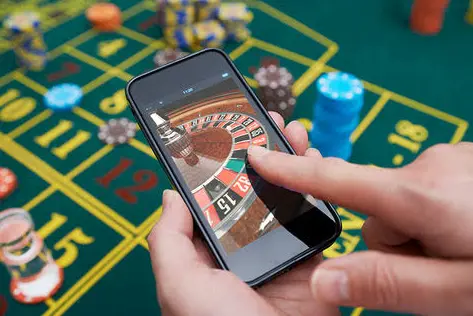
The Latency Mechanics Nobody Talks About
Here is what the floor supervisors will never explain to you. The deliberate card squeeze adds roughly eight to twenty seconds per hand compared to a standard open deal. Multiply that across sixty to eighty hands an hour and you're bleeding time—and time is the enemy of every tilt-prone player. The house doesn't win those extra seconds. It wins the erosion of your patience inside them.
Players who fume during a slow reveal start chasing. They stack side bets they would never touch on a fast table. And the house edge on those side wagers, especially the tie bet at north of fourteen percent, is where the real bloodletting happens. 🤯
From a hardware perspective, the squeeze is also a card-protection ritual. Pressing and peeling the corner confirms the card hasn't been swapped or marked at the shoe—a legacy integrity check dating back to the private rooms of Macau and Monaco. Modern baccarat squeeze tables still run that same physical verification even though the electronic shoe has already logged every rank and suit.
Why the Drama Actually Works on Your Brain
The slow reveal weaponizes anticipation as a dopamine primer. Your nervous system fires harder when the reward is delayed and uncertain. Casinos know this cold. A card flipped instantly is processed and forgotten in under a second. A card squeezed for twelve seconds burns into memory as a near-miss or a near-win, and near-misses are the most addictive outcome in the entire gambling catalog.
So the next time the dealer teases that final card like it's a live grenade, understand you're not watching suspense. You're watching a precision instrument designed to stretch your decision window until your discipline snaps. The house never needs the drama. You supply it for them. 🎲

The Shoe Rotation and Table Velocity Trap
One more piece of the mechanism that gets buried under the pageantry. Squeeze tables typically burn through the shoe more slowly, which means a longer session at the same table—more hands, more side-bet exposure, more time for the player's cognitive fatigue to set in. The slow reveal is not a feature of the game. It is the throttle on the whole operation.
Track your own hand-per-hour rate on a squeeze layout versus a standard table and the disparity will shock you. The drama is not the point. The throttle is.
Every peeled corner is a metronome counting down your bankroll's decay rate, calibrated to the second.