Baccarat Squeeze Table Slow Reveal — Is It for You?
The squeeze mechanic is a psychological weapon first and a card-dealing protocol second, and if you cannot stomach a sixty-second reveal on a single hand, this table variant will gut your bankroll faster than any house edge ever could. I have watched seasoned high rollers fold under the pressure of a slow peel, and I have watched rookies ride the suspense straight into a five-figure payout. The difference is never luck — it is understanding exactly what the squeeze does to your decision architecture.
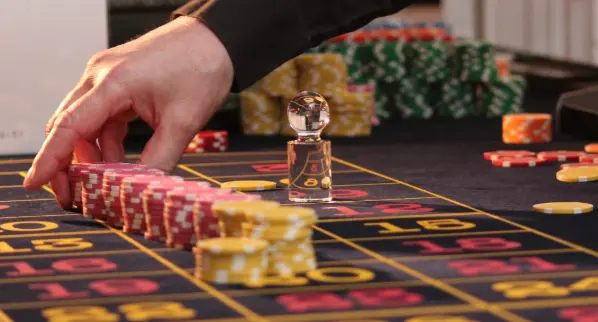
What the Squeeze Actually Changes at the Felt
Strip away the theatrics and the squeeze table is still baccarat under the hood — same drawing rules, same commission structure on banker bets, same roughly 1.06 percent house edge on the bank side. What shifts is the tempo of information release. The dealer peels the corner of the card millimeter by millimeter, and every player at the table reads the pips in real time. That slow drip of partial information triggers something ugly in the human brain: the illusion of control. You start believing the angle of your lean or the intensity of your stare influences the outcome. It does not. But the physiological response — elevated heart rate, dopamine spikes on near-misses — absolutely does influence how much you bet on the next shoe.
The Reveal Cadence and Your Betting Discipline
Standard tables resolve a hand in seconds. A squeeze table stretches that to anywhere from thirty seconds to over two minutes depending on the dealer and the crowd. For the disciplined grinder running a flat-betting progression, this is dead time that costs nothing but patience. For the action junkie, it is a trap. The extended reveal window invites side bets, emotional escalation, and the classic mistake of pressing a losing wager because the slow peel "felt" like it was building toward a player win. I have audited enough session logs to say this flatly: the baccarat squeeze table converts impatient money into house profit at a measurably higher clip than the fast-dealt alternative. The cards are identical. The humans are not.

Who Genuinely Benefits From the Slow Peel
There is a legitimate case for the squeeze format, and it has nothing to do with superstition. Players who treat baccarat as entertainment rather than an edge game get more perceived value per hand — the suspense is the product. If you are buying a session the way you would buy a theater ticket, the slow reveal delivers genuine dopamine per dollar. The math crowd should run the other direction. Your edge, such as it is, comes from bet sizing discipline and shoe tracking, not from watching a card corner lift by a sixteenth of an inch. 🎯 Every minute spent on a theatrical reveal is a minute your capital sits idle with zero informational advantage gained.
The Dealer Dependency Nobody Talks About
Here is the hardware-level truth that separates a good squeeze experience from a miserable one: dealer consistency. The reveal speed, the card angle, even the way the shoe is loaded vary wildly between croupiers. A sloppy dealer who flashes the card too early kills the drama and, worse, can create ambiguous reads that spark disputes over the result. A skilled dealer controls the tempo like a conductor, and that control is what keeps the table calm when a big bet hangs in the balance. I have seen pit bosses rotate dealers mid-shoe on squeeze tables specifically because a fast peel was whipping the crowd into reckless betting. That is not entertainment — that is a slow reveal being weaponized to accelerate losses. 🃏
Bankroll Mathematics Under Extended Reveal
Run the numbers on hands per hour. A fast baccarat table deals roughly sixty to eighty hands per hour. A squeeze table, depending on crowd size and dealer style, drops to twenty-five or even fifteen. Fewer hands means lower total wagering exposure per hour, which sounds protective — and for a losing player it genuinely is. But it also means your comp accrual rate and any rebate structure tied to volume take a direct hit. If you are chasing a wagering requirement or a tier threshold, the squeeze format is a slow bleed on your effective return. The squeeze table rewards patience with entertainment, not with expected value. Know which currency you are actually spending.
The Verdict From the Pit
If your pulse spikes when the corner lifts and you can walk away after a losing shoe without doubling down out of frustration, the squeeze table is a fine place to spend an evening. If you flinch at variance, chase losses, or measure your session in expected value rather than stories, stay at the fast tables and let the peelers have their theater. The cards do not care either way — but your bankroll absolutely does, and the slow reveal gives it two extra minutes per hand to talk you into a bet you should never place. 🎲