Casino Table Game Speed Variations: The Fast and Slow Table Guide
Table game speed is not a cosmetic feature—it is a hard-coded economic lever that reshapes house edge exposure per hour, and most players never read the clock. A baccarat table running 55 hands per hour versus one dealing 28 hands per hour is not a "vibe" difference; it is a mathematical chasm that doubles your theoretical loss rate while your per-hand edge stays frozen. I have audited pit floors where management quietly throttles dealer cadence during peak hours, and the players sipping comped drinks never notice their bankroll bleeding twice as fast. 🎰
The Real Cost of a Fast Table
Fast tables are velocity traps. When a blackjack shoe is dealt at 80-plus hands per hour with continuous shuffling machines feeding the action, the house edge per hand doesn't change, but your exposure per hour explodes. Run the arithmetic: a 0.5% edge at $25 per hand across 80 hands is $10 in expected loss per hour; drop to 45 hands per hour and that same edge costs you $5.60. The fast table doubled the tax without changing the rules printed on the felt. Sharp players hunt for slow, hand-shuffled tables precisely because time between decisions is free information-processing bandwidth. 😤
Where Slow Tables Quietly Win
Slow tables—single-deck blackjack, hand-shuffled shoes, manual roulette with physical ball spins—deliver fewer rounds per hour but superior decision quality. A roulette wheel spinning 30 times per hour instead of 60 gives you double the clock to evaluate wheel bias, track sector patterns, and size bets rationally. In craps, a slow table with deliberate dice handling lets you ride the rhythm and avoid the "heat" of rapid-fire seven-outs that crush fast-table bankrolls. The Casino Table Game Speed Variations that matter most are the ones baked into the physical equipment, not the ones advertised on the placard.

Dealer Cadence and the Pit Floor Clock
Dealer cadence is the invisible hand. I have clocked crews pushing 70 hands per hour on automatic shufflers while a neighboring table with a rookie dealer crawled at 35. That variance is pure profit manipulation. Pit bosses rotate fast dealers onto high-limit tables to maximize drop, and slow dealers onto low-limit grinders to keep them comfortable. Your job is to track your own hands-per-hour with a phone timer for three shoes. If the pace exceeds 65 hands per hour on a game with a house edge above 0.6%, you are paying a speed tax that no comp can offset.
Matching Your Strategy to the Table Tempo
Card counters need slow tables—period. Penetration matters, but so does the time to compute true counts and size bets without the shoe evaporating. A fast table with deep penetration is a countdown timer on your edge; a slow table with shallow penetration is a slow bleed. For basic strategy players, fast tables with low minimums and favorable rules can work if you pre-commit to a strict loss limit measured in rounds, not dollars. The Fast Slow Table Guide principle is brutal: speed amplifies whatever edge already exists, good or bad. 🎲
Electronic Tables and the Speed Illusion
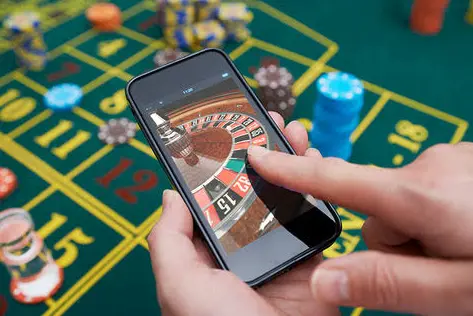
Electronic and hybrid table games advertise "player-controlled pace," but the terminal software often enforces a minimum decision window that compresses actual hands-per-hour to 50–60 regardless of how slowly you tap. Worse, some systems auto-advance after a hidden timeout, converting a "slow" table into a fast one without warning. Read the terminal's hands-per-hour counter if it exists; if it doesn't, assume the worst and cap your session at 40 minutes. The Casino Table Game Speed Variations on digital felt are programmed, not incidental, and the program favors the house clock.
Session Timing and Speed-Adjusted Bankroll Math
Never set a session budget in dollars alone—set it in hands. If your bankroll supports 200 hands at a 1% edge, then a 75-hand-per-hour table gives you 2.6 hours of play, while a 40-hand-per-hour table stretches the same risk over five hours. That is the entire game. Fast tables are for players who want action and accept the tax; slow tables are for players who want survival and information. Choose your tempo before you sit down, because the dealer will not slow down for you, and the pit clock never stops counting.