USA Poker Straddle UTG vs Button Rule: The Double Big Blind Mechanics
The USA Poker Straddle UTG vs Button Rule is not a cosmetic house convention — it is a structural mutation of preflop geometry that silently re-prices every hand at the table. Most players treat the straddle as a fun tax. That is a fatal read. When a live straddle goes up, you are no longer playing the game printed on the felt; you are playing a rebuilt betting tree where position, range density, and the Double Big Blind in USA structure conspire to gut the margins of anyone who refuses to adapt. 💥
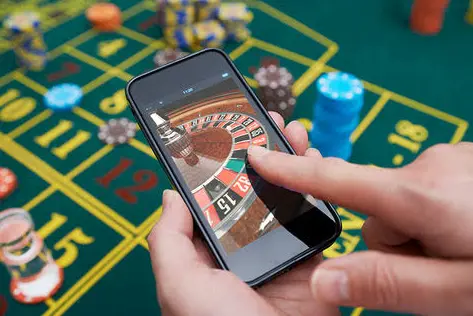
What the UTG Straddle Actually Does to the Preflop Tree
A UTG straddle is a forced third blind posted before any cards move. In most USA card rooms it is a live straddle: the player posting it retains the right to act last preflop, effectively becoming the button for the first betting round. That single clause detonates the standard acting order. The original button now acts before the straddler instead of after, and every positional assumption you built your open-raising range on collapses. Anyone who keeps opening the same range from the hijack or cutoff is bleeding EV at a rate that compounds across a session.
The double big blind structure amplifies this. With two big blinds live in the pot before action, the pot odds on a call improve for every player behind, but the price of entering weakens your implied odds on speculative hands. Suited connectors and small pairs lose value faster than most regs admit. The math is brutal: more dead money, wider calling ranges, and a positional inversion that hands the straddler the informational edge on every street.

Button Straddle: The Aggressor's Trap
The button straddle is the more dangerous animal. When the button posts the double big blind, the blinds act first and the straddler acts last on every postflop street — total positional dominance. This is where weak players get slaughtered. They see the button straddle and assume they can limp cheaply. Wrong. A competent straddler will three-bet mercilessly from the last position and print money off capped ranges. 🎯
Here is the operational truth: the button straddle turns the game into a heads-up-style battle where the straddler has both initiative and position. Your defense must shift toward polarization. Flat-calling from the small blind against a button straddle is a donation unless you have a disciplined check-raise strategy on coordinated boards. Tighten the calling range, widen the three-bet bluff frequency, and never let the straddler see a cheap flop with a dominated hand you could have folded preflop.
The Double Big Blind Price War
In USA rooms that run a double big blind ante or straddle hybrid, the effective stack-to-pot ratios shrink dramatically. A standard open that used to be 2.5x now needs to be 3x or more just to deny equity. Players who refuse to upsize their raises are handing free cards to the entire table. This is not opinion — it is arithmetic. The larger the forced dead money, the more aggressively you must charge draws and marginal made hands.
Watch the straddler's stack depth. A short-stacked UTG straddler who cannot defend a wide range is a target; a deep-stacked button straddler is a predator. The rule is simple: attack the short straddle, avoid the deep one, and never confuse the two. 😤
Exploiting the Rule Gap
The single largest edge in these games is that most opponents never recalibrate their opening ranges when the straddle is on. They keep their chart, they keep their sizing, and they keep losing. You do not. You widen your late-position opens against a UTG straddle, you tighten your early-position calls against a button straddle, and you punish the double big blind dead money with heavier three-bet frequencies. The rule is not a gimmick. It is a lever — and the player who pulls it correctly owns the table's entire profit pool.