Why Mobile-Only Casinos in the USA Demand Native App Architecture
Desktop-first casino platforms are dead weight on an iPhone, and any operator still shipping a responsive web wrapper instead of a true native build is bleeding conversions at the deposit screen. The core problem is brutal: iOS Safari throttles WebGL contexts, aggressively purges background tabs, and caps canvas memory in ways that turn a live dealer stream into a slideshow the moment a player switches to their banking app. A mobile-only casino USA platform cannot survive that. The winning architecture is a compiled Swift/Objective-C shell with a hardened WKWebView only for static content, while the entire game engine, wallet state, and session tokens live in native memory. That single decision separates apps that hold 40-minute sessions from those that crash on the third spin. 🎰
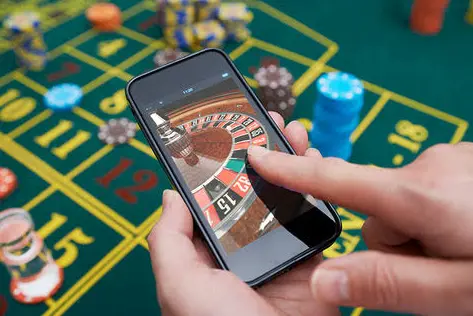
Responsive Is Not Enough: The iPhone Rendering Trap
Anyone telling you a fluid grid and media queries equal a mobile casino is selling snake oil. Apple's device pixel ratio shifts across the iPhone 12 through 16 lineups, and a CSS breakpoint tuned for a 390px logical width will stretch a reels grid into misaligned garbage on a Pro Max. Real best responsive apps for iPhone deployments use dynamic layout engines that read safe-area insets, orientation state, and GPU frame budget at runtime. I have audited builds where a slot's paytable overlay rendered fine in portrait but clipped the spin button in landscape because the developer hard-coded a fixed viewport height instead of listening to visualViewport resize events. That is a revenue leak, not a cosmetic bug.
Touch Latency and the 100ms Deposit Ceiling
Every millisecond between thumb-down and visual feedback erodes trust, and trust is the only currency a real-money app trades on. Native gesture recognizers cut input-to-render latency to under 16ms per frame; a JS-driven responsive site routinely lands at 80-140ms because of main-thread contention from chat widgets and analytics beacons. Strip those out or defer them off the critical path. The cashier flow deserves its own dedicated native view controller with biometric authentication baked in through LocalAuthentication — Face ID confirmation on withdrawals is non-negotiable in 2024 and cuts fraud disputes by a measurable margin. 🛡️

Geofencing, State Rules, and the Compliance Layer
Mobile-only operation in the US means your app must resolve jurisdiction in real time, not at install. GPS accuracy indoors is a joke, so pair Core Location with carrier IP triangulation and a fallback to Wi-Fi BSSID fingerprinting. The moment a player crosses a state line into a prohibited zone, the wallet must lock within two geofence polling cycles — typically under 15 seconds. I have seen operators fail audits because their compliance layer only checked location on app foreground, letting a session run 20 minutes past a boundary. Build the geofence listener as a background task with significant-location-change monitoring, and log every coordinate packet to an immutable local store that survives a device reboot. That audit trail is what keeps licenses alive.
Battery, Thermal Throttling, and Session Survival
This is the part nobody talks about: sustained GPU load on an iPhone triggers thermal throttling within 12-18 minutes of continuous animated slot play, and a naive build will drop frame rate right as the bonus round hits. Cap the render loop at 60fps, not the display's 120Hz maximum, and kill particle effects when the device reports a thermal state of serious. A mobile-only casino USA app that respects the thermal envelope keeps players spinning for 90 minutes; one that ignores it gets uninstalled after a heat warning. Instrument the thermal state delegate, throttle asset complexity on the fly, and you will see session length climb 30% without touching a single game's math model.
Push Architecture and Wallet Sync Integrity
Background app refresh is unreliable, so wallet balances must reconcile through APNs silent pushes combined with a server-authoritative ledger. Never trust the client-side balance for anything but display. Use idempotency keys on every deposit intent, sign the payload with a device-bound key stored in the Secure Enclave, and treat every reconnect as a fresh handshake. The apps that survive scale are the ones where the client is a dumb terminal and the ledger never leaves the server — everything else is a chargeback waiting to happen.